
Explained Ideas: Why the judiciary must intervene in the Hathras case
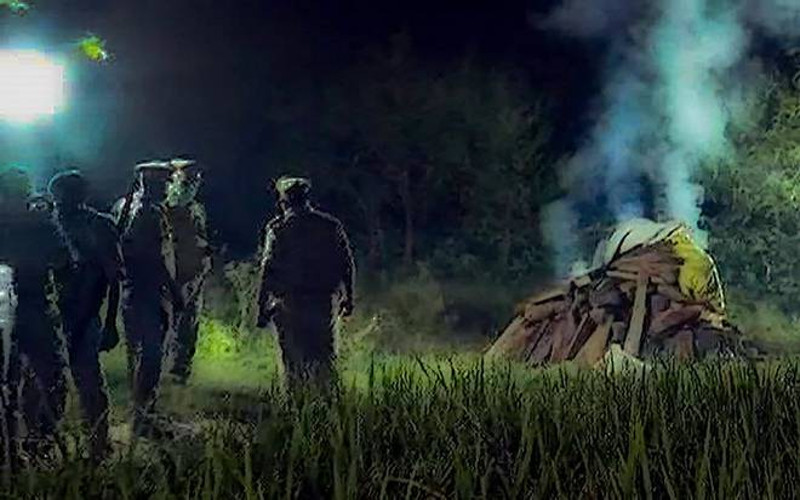
On Wednesday night, when images streamed in on social media and news channels, of a sobbing mother in Hathras being denied her young daughter’s body, followed by the images of police personnel, deployed in full force, burning this young girl’s remains, without any right in law, in a lonely field outside the village, “it was an injustice that was morally and legally too much to bear,” according to Nandita Rao and Iti Pandey, both lawyers practising at the Delhi High Court.
“It was a reminder of a time when, in this country, a person relegated by oppressors through the unscientific and inhuman caste system, as an untouchable could be subjected worse than animals are — with social and legal impunity,” they state in their opinion piece in The Indian Express.
A young woman, only 19 years old, hailing from the Valmiki community, was denied the promise of the Constitution of India of equality before the law and equal protection of the law, in both life and death. The sequence of events that saw the unforgivable forced burning of the body of the young woman in Hathras is as horrifying as the end that she met.




Leave a Reply