
North Koreans facing food shortages, collapses in livelihoods: UN investigator
Tomás Ojea Quintana told the UN’s human rights committee that North Koreans are facing food shortages and livelihood breakdowns, with the most vulnerable being children and the elderly, who are at risk of starvation. He also brought up the issue of hunger in political prison camps.
For the unfamiliar, the Democratic People’s Republic of Korea — the North’s official name –, has closed its borders to prevent a pandemic. Quintana added the government has taken other harsh measures to prevent the spread of the viral disease in the country, including a policy of shooting those who try to enter or leave the country.
According to the AP, the UN investigator also stated that closing the borders would have a “devastating impact” on the people’s right to health, as the DPRK’s health infrastructure is inadequate and supplies are in limited supply due to underlying human rights violations.
“Increased restrictions on freedom of movement and the shutting of national borders has choked market activity that has become essential for people’s access to basic necessities, including food,” Ojea Quintana added in his final report to the UN General Assembly after six years as the UN special investigator on human rights in the DPRK.
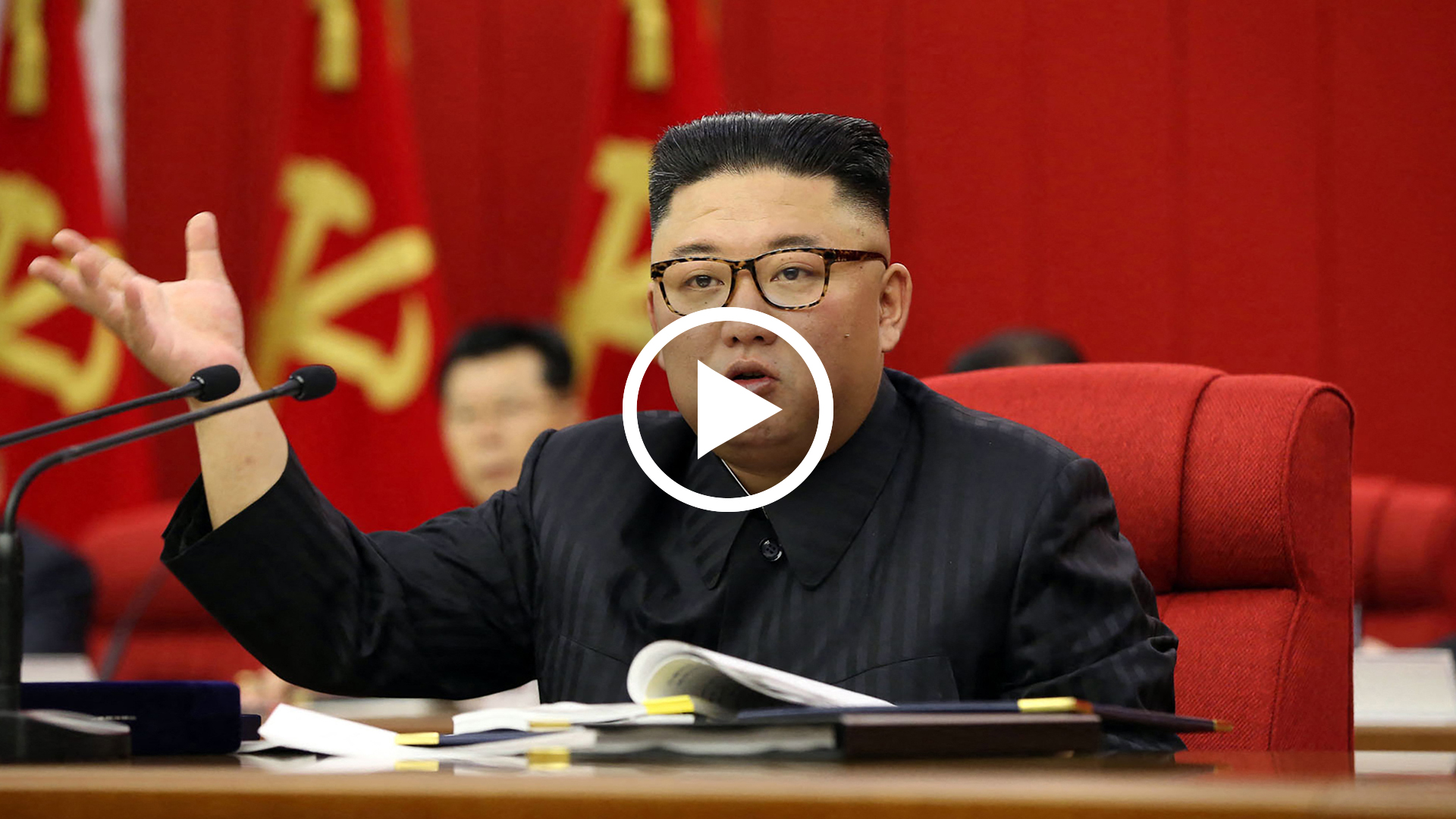
Despite the fact that North Korean leader Kim Jong Un recognizes the country’s “grim” food situation and is investing in attempts to prevent hunger, the border blockade has halted the United Nations’ and other international actors’ lifesaving humanitarian activities. According to the UN investigator, there is now no UN international staff in the country, and diplomats are continuing to leave.
In his report to the General Assembly, the UN investigator recommended that, in light of the pandemic, the Security Council committee overseeing sanctions against the DPRK over its nuclear programme “should re-evaluate the sanctions regime under these circumstances, and ease those sanctions as necessary.” Despite the fact that humanitarian aid to the DPRK is exempt from sanctions, Ojea Quintana believes sanctions have had unintended consequences for ordinary people.
He cited UN sanctions against the export of textiles and seafood, industries in which women are the majority of employees, as an example, which have resulted in women who are family breadwinners losing their jobs.
In his report, Ojea Quintana also acknowledged the irony of the DPRK’s failing social and economic rights while the government continues to test missiles, “probably diverting resources that should be allocated in those areas.”


Leave a Reply